
BlogsGuide
How to Choose the Perfect King Size Bed and Double Bed Frame with Mattress
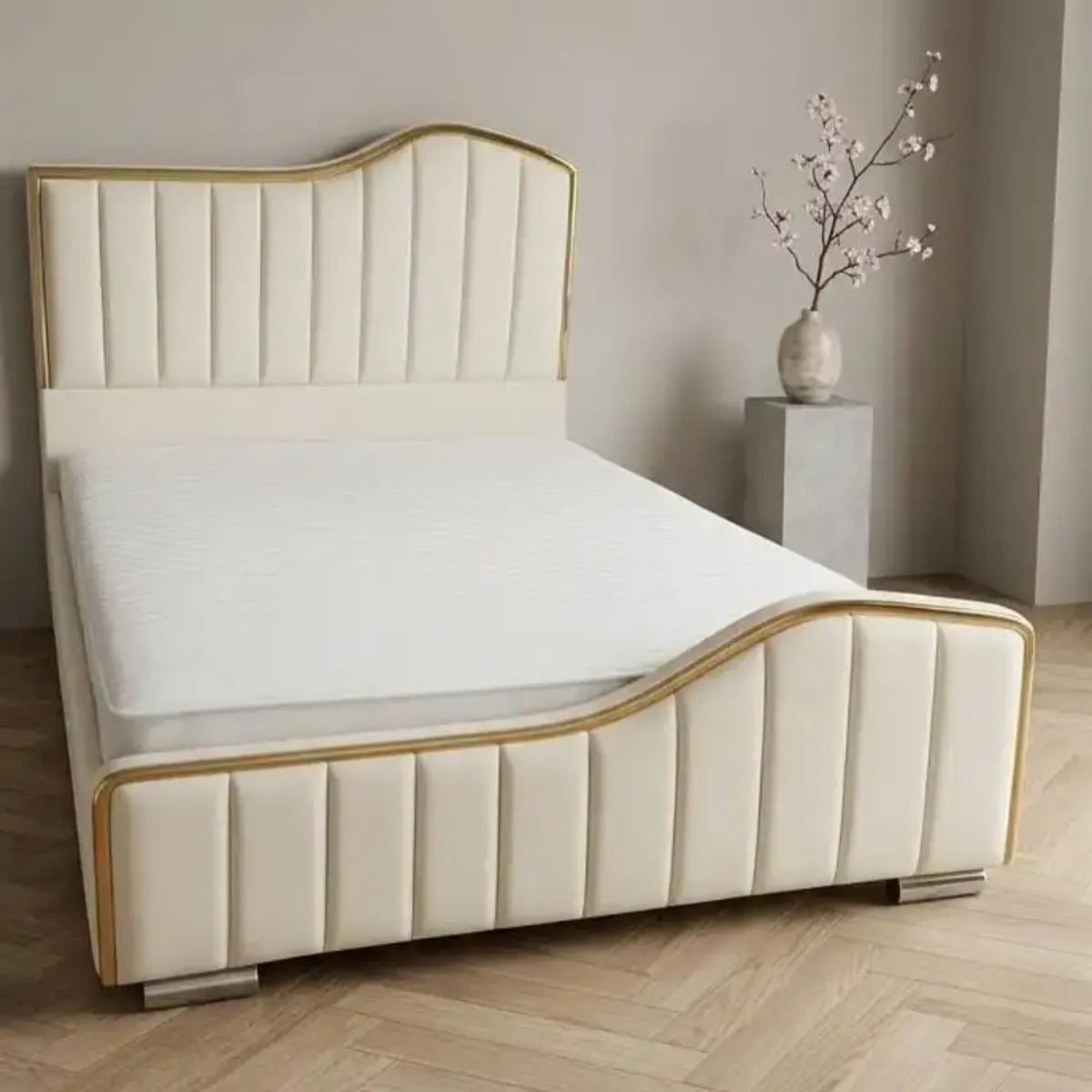
Choosing a new bed is not something we rush into, and it shouldn't be. Whether you are planning to buy king-size beds for extra room to stretch out, or you need a reliable double bed frame with mattress for a guest room, the decision affects sleep quality for years to come. Room size, frame material, and mattress type all play a part in getting this right.
We have put together this blog to help you weigh up the practical bits, style, budget, and comfort, without getting lost in jargon.
Why Bed Size Actually Matters
A bed that's too big for the room feels cramped the moment you walk in. Too small, and you'll be fighting for space every night with a partner or a restless pet.
Here's a rough breakdown of what to consider:
- Buy King Size Beds suit rooms with at least 3.5 metres of width, giving enough clearance for wardrobes and walking space.
- Double beds work well in smaller rooms, box rooms, or guest bedrooms where space is limited.
- Ceiling height and window placement can also affect how a tall headboard looks in the space.
Measure twice. Buy once. It sounds obvious, but plenty of people skip this step and regret it later.
Choosing Between a King Size Bed and a Double Bed
Space, Comfort, and Who's Sleeping There
If two adults share the bed regularly, a king size frame gives noticeably more personal space. Less tossing, less waking each other up, more actual rest.
A double bed, on the other hand, is a solid choice for:
- Single sleepers who like a bit of extra room to move
- Teenagers transitioning from a single bed
- Guest rooms that don't need to accommodate a couple every night
Neither option is objectively better. It depends entirely on how the room will be used.
Frame Style and Build Quality
The frame holds everything together, literally, so it's worth paying attention to construction.
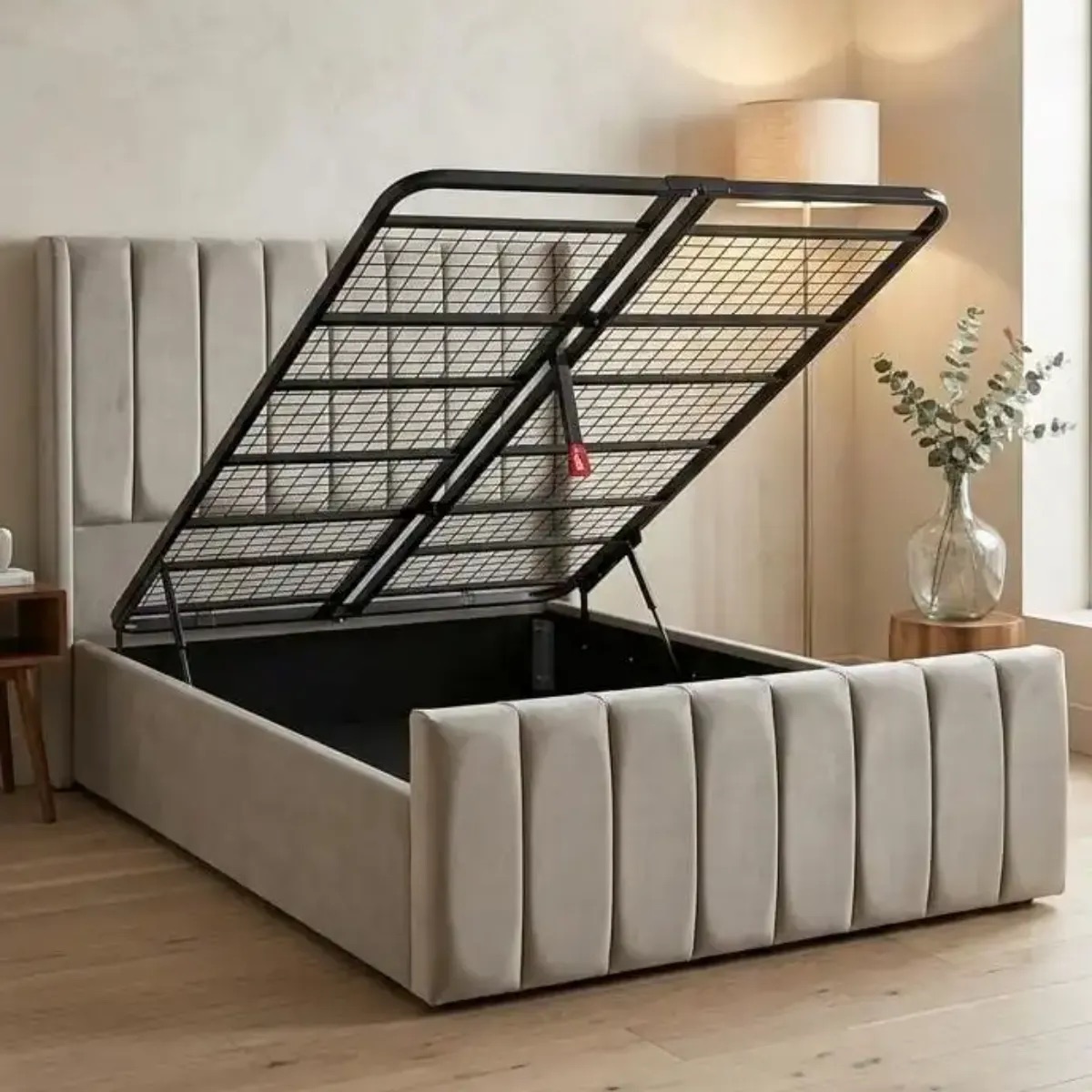
Solid wood frames tend to last longer and handle weight distribution better over time. Upholstered frames add a softer, more hotel-style look and often include a padded headboard, which is handy if you like reading in bed.
Metal frames are lighter and usually cheaper, though they can creak more with age. Not a dealbreaker, just something to know before you commit.
Picking the Right Mattress to Match
Matching Mattress Type to Sleep Style
A frame is only half the equation. The mattress decides how you actually feel each morning.
Common mattress types include:
- Memory foam – contours to the body, good for pressure relief
- Pocket sprung – supportive with better airflow, suits warmer sleepers
- Hybrid – combines foam comfort with spring support
- Orthopaedic – firmer feel, often recommended for back support
We'd suggest testing a mattress in person where possible. Firmness preference is personal, and what works for a friend might feel completely wrong for you.
Depth, Firmness, and Support
Mattress depth affects how the bed looks and feels once made up. Deeper mattresses (around 25–30cm) often feel more plush, while shallower ones suit a more minimal aesthetic.
Firmness should match your sleeping position:
- Side sleepers generally need a softer surface for hip and shoulder comfort
- Back sleepers benefit from medium firmness
- Front sleepers usually need firmer support to avoid lower back strain
Building a Cohesive Bedroom Furniture Set UK Buyers Will Love
Matching Your Bed to the Rest of the Room
A bed rarely sits in isolation. Once you have chosen the frame and mattress, it helps to think about how it fits with wardrobes, bedside tables, and chests of drawers.
A well-planned bedroom furniture set UK homeowners choose usually shares a consistent finish, whether that's oak, walnut, white gloss, or a soft grey tone. Consistency here creates a calmer, more put-together room without much extra effort.
Practical Tips for a Balanced Layout
- Keep bedside tables level with or slightly below mattress height for easy reach
- Leave at least 60cm of walking space around the bed where possible
- Choose wardrobe doors (sliding vs hinged) based on how much floor clearance you actually have
- Coordinate handles and finishes across furniture pieces for a tidier look
Small details like these often make a bigger visual difference than people expect.
Budget, Delivery, and Long-Term Value
Setting a Realistic Budget
Bed frames and mattresses vary hugely in price, and it's easy to overspend chasing features you won't use. A clear budget from the start keeps decisions grounded.
Consider splitting spend roughly evenly between frame and mattress, since both affect comfort and lifespan equally.
Colour and Finish Choices That Suit Your Space
Colour decisions get overlooked more than they should. A dark walnut frame can make a small room feel heavier, while lighter oak or white finishes tend to open things up a bit, especially in rooms with limited natural light.
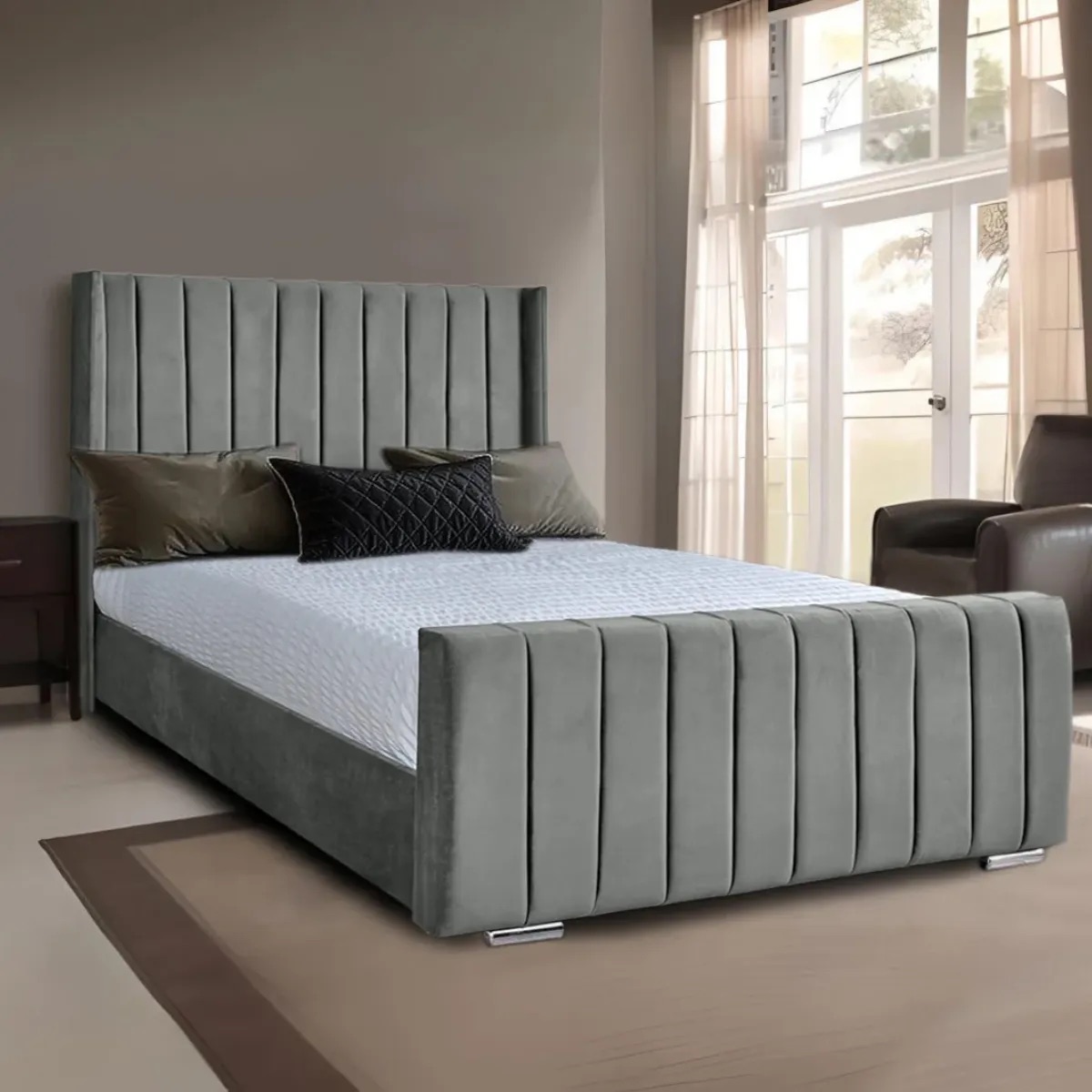
If you're building a full bedroom furniture set UK shoppers often go for, try to pick a base tone first, then work outward. Neutral frames give you more flexibility with bedding and soft furnishings later, since you're not locked into one colour scheme. Bright or bold headboards can work too, but they usually suit larger rooms where the colour has room to breathe rather than dominate everything.
Caring for Your Bed Frame and Mattress Over Time
Buying the right bed is only part of the job. Looking after it properly is what actually stretches its lifespan.
A few habits worth building in:
- Rotate your mattress every few months to avoid uneven wear
- Wipe down wooden frames with a dry cloth, avoiding harsh chemical cleaners
- Check screws and joints on metal or flat-pack frames every so often, since they can loosen with regular use
- Air out mattresses occasionally by leaving bedding off for a few hours
None of this takes much effort, but skipping it for years is usually why a decent bed starts feeling tired long before it should.
Delivery and Assembly Considerations
Larger frames, particularly king size options, often need careful measuring for staircases, doorways, and hallway turns. Checking delivery dimensions beforehand avoids awkward surprises on the day. Flat-pack assembly is common, so factor in time (and possibly an extra pair of hands) for setup.
Conclusion
Choosing between a king size frame and a double, or working out which mattress genuinely suits your sleep, comes down to honest reflection on space, habits, and comfort needs. There's no single right answer, only the one that fits your bedroom and your routine.
At UK Furniture, we aim to make that decision easier, offering a wide range of frames, mattresses, and coordinated bedroom sets built around real comfort and lasting quality.
FAQs
A room width of at least 3.5 metres is generally recommended to leave enough space for wardrobes, bedside furniture, and comfortable movement around the bed.
It can work for couples with limited space, though a king size option usually offers noticeably more room for uninterrupted sleep.
Most mattresses perform best within seven to ten years, after which support and comfort levels typically decline.
Look for matching finishes, practical storage, and pieces sized appropriately for your room layout, rather than buying items separately without a cohesive plan.