
BlogsGuide
King Size Beds Buying Guide: Comfort, Size, and Style Explained
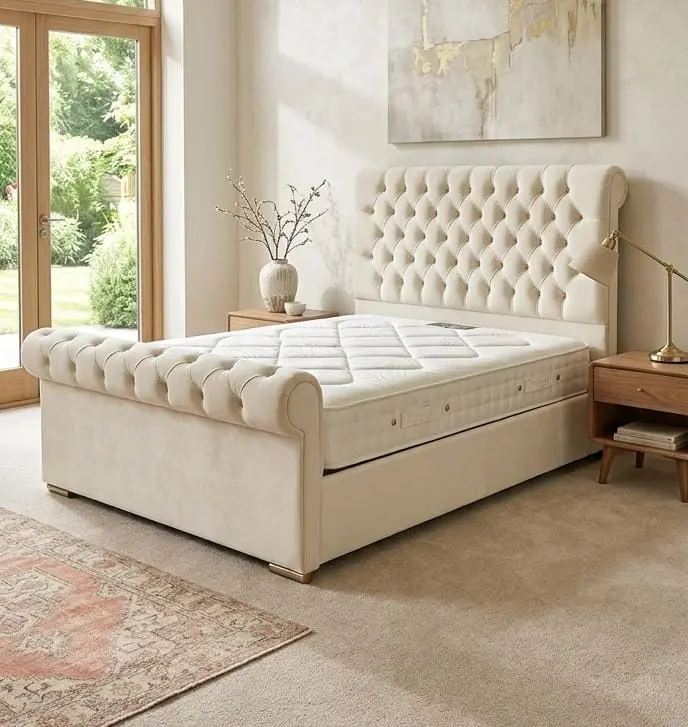
Ever laid awake, elbow to elbow with your partner on a bed that felt more like a raft in a storm? That's usually the moment people start typing buy king size beds into Google at midnight. Funny how sleep problems have a way of turning into shopping problems.
This blog walks you through everything worth knowing before you buy king size beds, from actual dimensions to storage options like a bed ottoman, and how to build the whole thing into a proper bedroom furniture set UK households can actually live with for years, not just months.
Why Size Actually Matters More Than You Think
A king-size bed in the UK typically measures 150cm x 200cm. That's roughly 30cm wider than a double, which doesn't sound like much until you're actually lying in it. Sleep researchers at the University of Amsterdam once found that couples who upgraded from a double to a king reported noticeably fewer nighttime disturbances, mostly because there's simply more room to move without waking the other person.
That extra width matters even more if you're tall, share the bed with kids or pets occasionally, or just toss and turn a lot. I've spoken to plenty of customers over the years who assumed a double would "do fine" and then regretted it within weeks.
Before buying, measure your room properly. A king bed needs roughly 3.4m x 3.4m of floor space if you want walking room on both sides plus space for bedside tables. Doorways and staircases matter too. Nothing worse than ordering the bed of your dreams and finding out it won't make it around the landing corner.
Comfort Isn't Just About the Mattress
People obsess over mattresses, which is fair, but the bed frame plays a bigger role than most realise. A solid, well-built frame reduces motion transfer, meaning your partner's 3 am bathroom trip won't send shockwaves through the entire bed.
Slatted bases tend to offer better airflow and a slightly firmer feel underneath the mattress. Divan bases feel more traditional and often come with built-in storage, which is handy if your bedroom is already tight on space. Upholstered frames add a softer, more hotel-like finish and tend to be the most popular choice right now across UK furniture retailers.
Fabric choice matters too. Velvet and boucle have been trending hard over the past couple of years, partly thanks to interior design accounts on Instagram and Pinterest showing cosy, textured bedrooms. Linen blends are also having a moment because they're breathable and age well, unlike some cheaper fabrics that flatten and pill within a year.
Style: Matching the Bed to the Room, Not the Other Way Round
A common mistake is buying a bed first and figuring out the room around it later. Ideally it works the other way. Think about the room's existing tone before you buy king-size beds outright.
Minimalist bedrooms tend to suit low-profile frames with clean lines and neutral tones like oatmeal, grey, or soft green. Traditional or classic interiors lean towards wingback headboards, deep buttoning, and richer colours like navy or burgundy. Scandinavian-inspired rooms usually pair well with light wood frames and simple headboards without much ornamentation.
If you're building a full bedroom furniture set UK style, meaning matching wardrobes, chests of drawers, and bedside tables, it helps to pick the bed first since it's the largest and most visually dominant piece. Everything else in the room tends to follow its lead, in terms of both wood tone and overall shape.
The Bed Ottoman: Small Detail, Big Difference
This one gets overlooked constantly. A bed ottoman, where the entire base lifts on a gas-lift mechanism to reveal hidden storage underneath, has become one of the most requested features in UK bedrooms over the past few years. Makes sense really, especially in flats and smaller homes where storage space is at a premium.
An ottoman base can typically hold spare bedding, seasonal clothing, or those bulky items that otherwise end up crammed into a wardrobe that's already bursting. It's a genuinely practical upgrade, not just a gimmick.
A few things worth checking before choosing an ottoman bed:
- Confirm the lift mechanism is gas-assisted, not manual, since manual lifts get exhausting fast, especially with a heavy mattress on top.
- Check the internal storage depth, as some ottoman bases are shallower than they look in product photos.
- Make sure there's enough clearance space at the foot or side of the bed to actually lift it, particularly in smaller rooms.
Choosing Between Wood, Upholstered, or Metal Frames
Wood frames remain a solid, long-lasting choice, particularly solid oak or pine, which tend to outlive trends and hold up well structurally. They're heavier and often pricier, but they rarely creak or wobble the way cheaper frames sometimes do after a year or two.
Upholstered frames dominate the current market, largely because they feel warmer, more inviting, and pair easily with soft furnishings. The trade-off is fabric maintenance. Lighter colours show marks more easily, so if you've got pets or young kids, a darker or more stain-resistant fabric might save you some grief down the line.
Metal frames are less common in the UK market these days but still show up in more industrial or loft-style interiors. They tend to be more affordable and lightweight, though some people find them less cosy compared to upholstered alternatives.
What Actually Affects Longevity
A bed frame is a long-term purchase, realistically five to fifteen years depending on build quality. A few genuinely important things to check before purchasing:
- Look at the frame's weight limit and slat count, since more slats generally means better mattress support and less sagging over time.
- Check the warranty length, as reputable UK furniture retailers usually offer at least two to five years on frame structure.
Beyond that, actually sitting or lying on the bed in a showroom, if possible, tells you more in thirty seconds than any product description will.
A Quick Personal Note
I remember helping a friend pick out her first proper bed after years of student furniture. She almost bought a double because it was £150 cheaper. We measured her room together, realised a king would fit comfortably, and she ended up thanking me for months afterwards. Sometimes the extra spend upfront saves you from buyer's remorse that lingers a lot longer than the price difference ever would.
Conclusion
A king-size bed is not just a bigger mattress with a fancier frame. It changes how well you sleep, how the whole bedroom feels, and how practical the space actually becomes day to day. Whether you're drawn to a classic wooden frame, a plush upholstered headboard, or a smart bed ottoman for extra storage, the right choice comes down to your room size, your lifestyle, and honestly, how much you value a good night's sleep.
Take the time to measure properly, think about storage needs, and choose a style that fits the room rather than fighting it. Get those details right, and the rest tends to fall into place.
For anyone ready to explore quality frames, storage solutions, and full bedroom furniture sets, UK Furniture has a range built around exactly this kind of comfort and practicality.
FAQs
A UK double measures 135cm x 190cm, while a king measures 150cm x 200cm. That's an extra 15cm in width and 10cm in length, which makes a noticeable difference for taller sleepers or couples who move around at night.
For most UK homes, yes, particularly in flats or smaller bedrooms where storage is limited. The upfront cost is usually higher, but it often replaces the need for an additional chest of drawers or storage box, which balances out the price over time.
Measure the room width and length, then allow roughly 3.4m x 3.4m of floor space for comfortable movement around the bed. Also check doorway and staircase widths before ordering, since delivery access is a common issue people overlook.
Matching style generally matters more than matching wood tone exactly. Rooms with slightly varied wood tones but a consistent design language, like Scandinavian or traditional, tend to look more intentional than pieces that match too perfectly and end up feeling flat.